
Allocation
Diversification Explained: Why Concentration Is the Hidden Risk
Diversification spreads capital so no single asset decides the outcome. Learn why it works, where it stops working, and why concentration hides.
The structural layer of a portfolio: setting target weights, choosing rebalancing bands, correcting drift, and what each move costs in tax and spread.
Diversification spreads capital so no single asset decides the outcome. Learn why it works, where it stops working, and why concentration hides.

Rule-of-thumb stock and bond splits are a starting point, not an answer. Here is how to test them against your own goals and risk tolerance.

Two documented approaches to dividing a portfolio among asset classes rest on different assumptions about markets, time horizon, and how much active management…

A glide path schedules the shift from growth assets to income assets over time — the core of target-date design and the center of its documented debates.
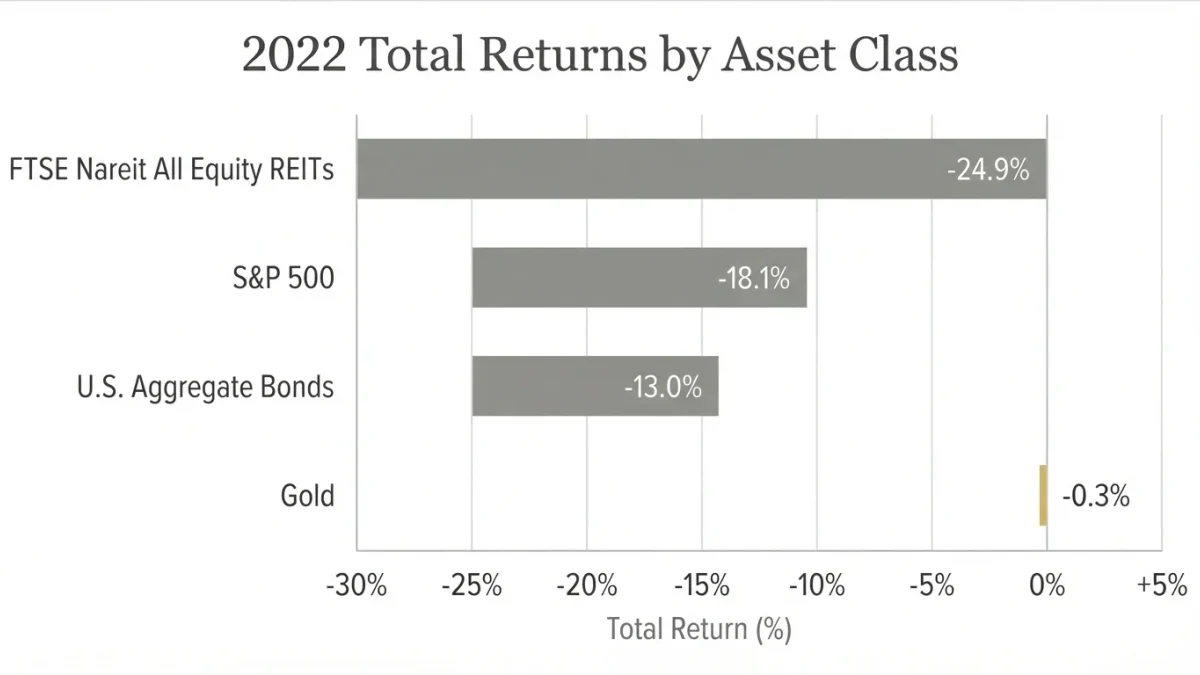
Gold and REITs are the two real assets most cited in allocation frameworks — one pays no cash flow, the other is required to pay most of its income out.